SHOUSE
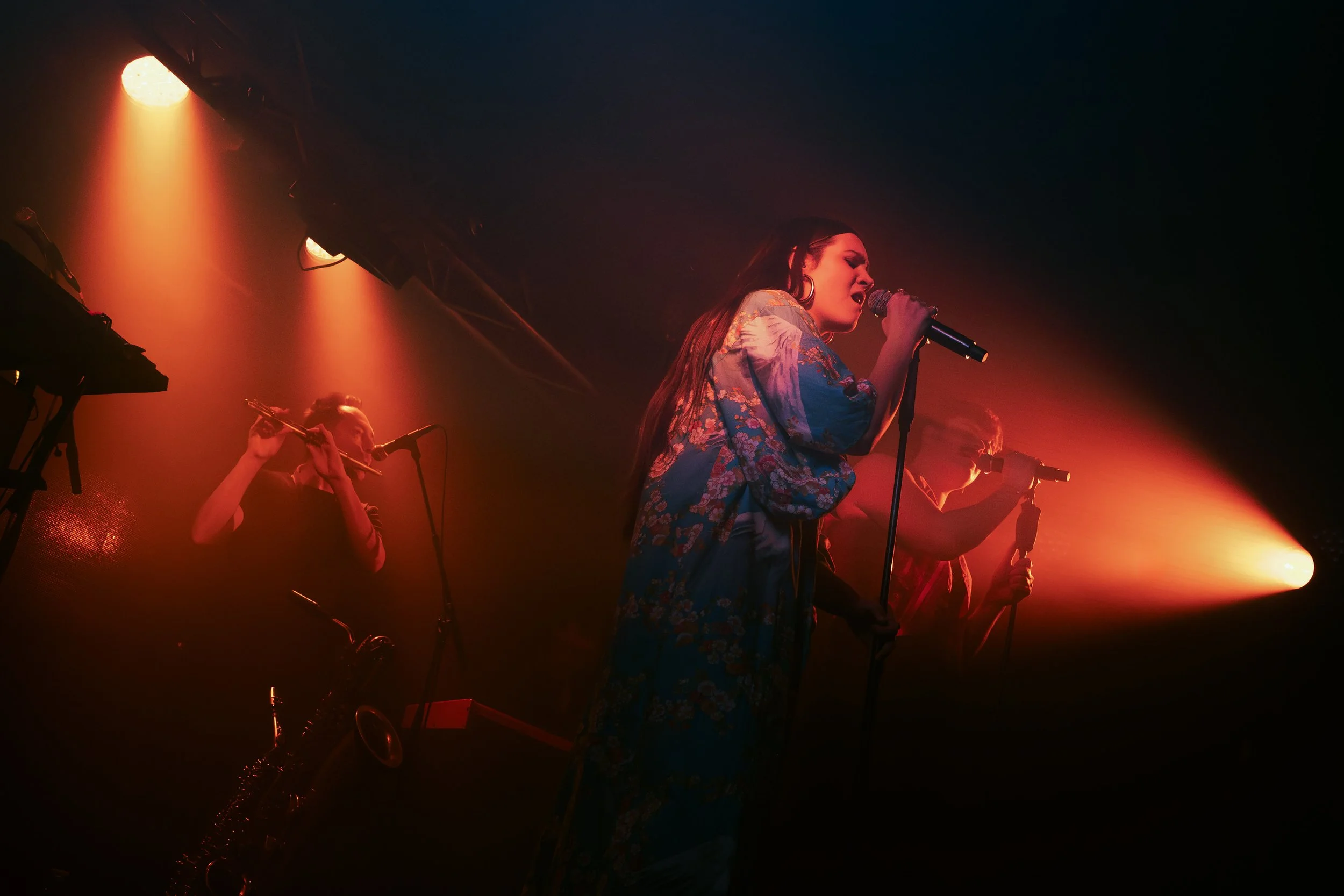
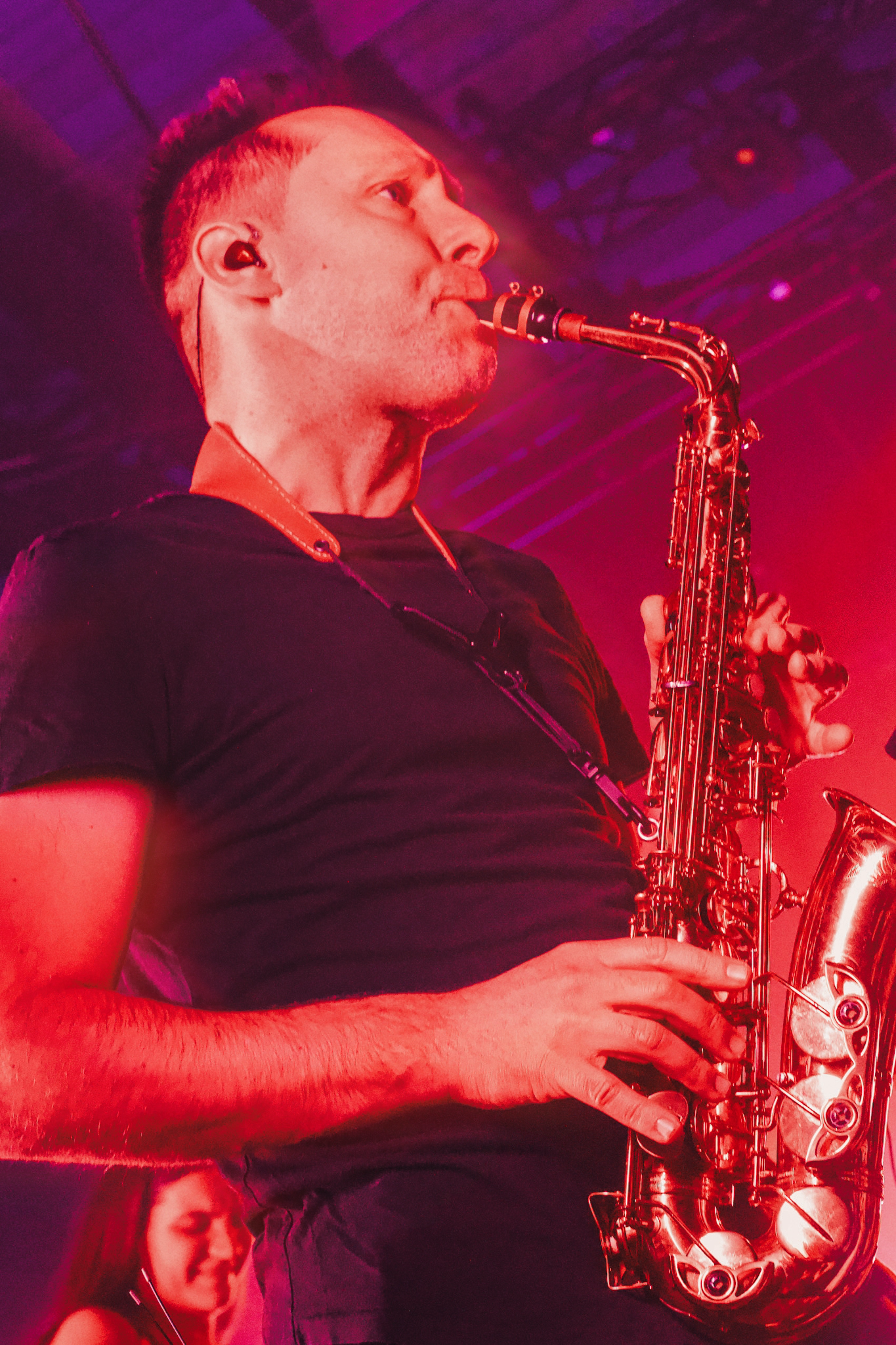
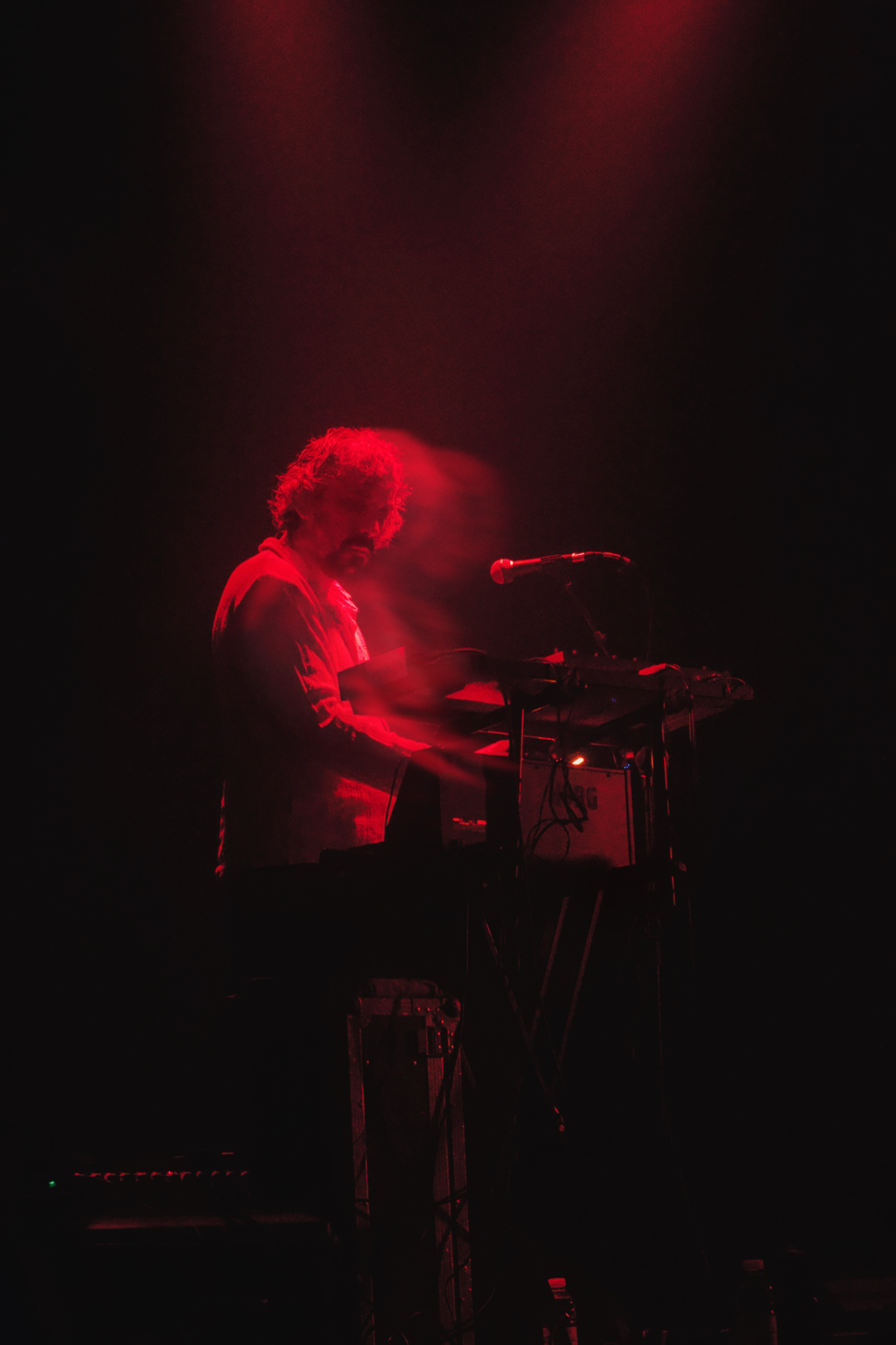
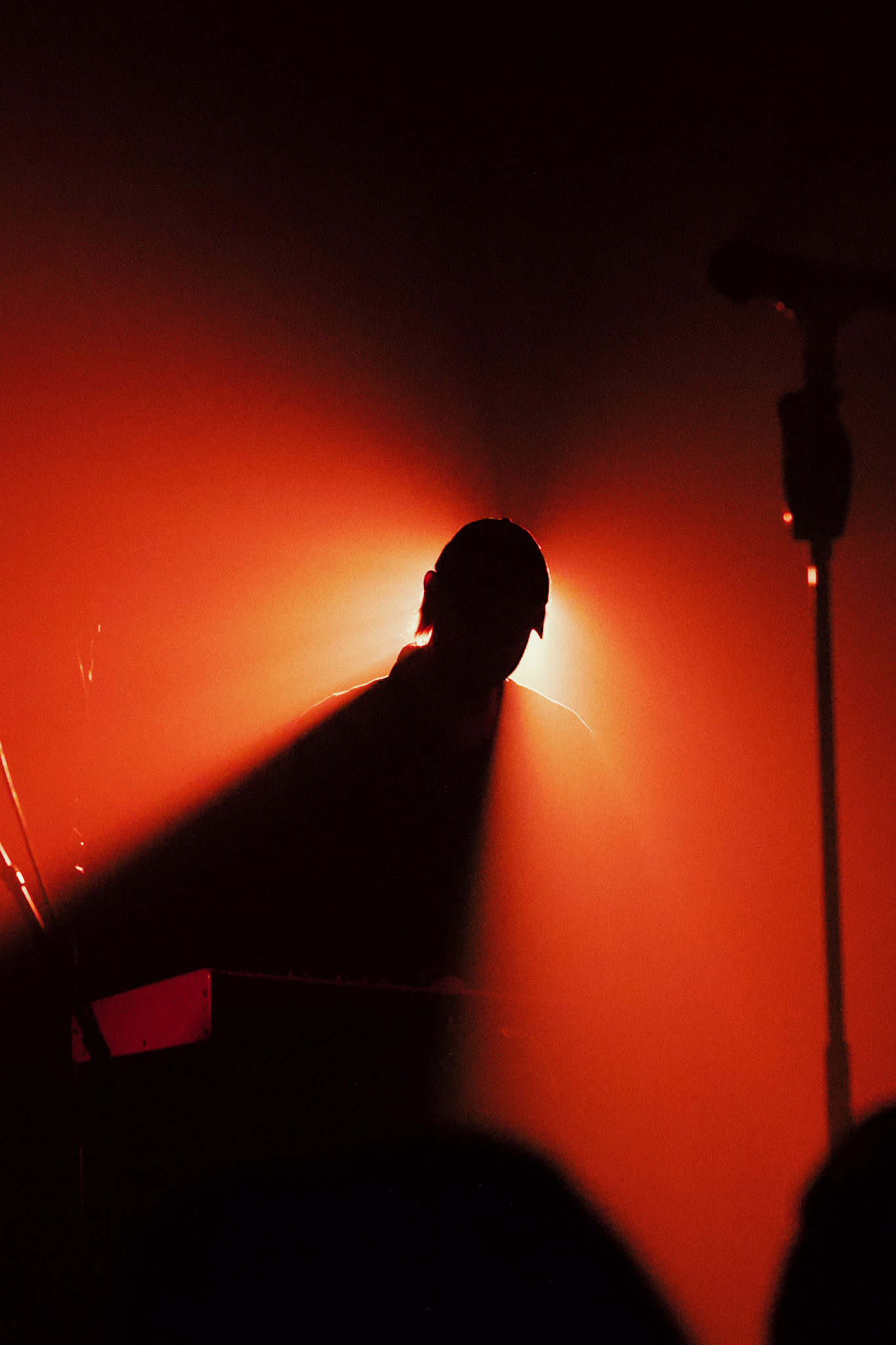
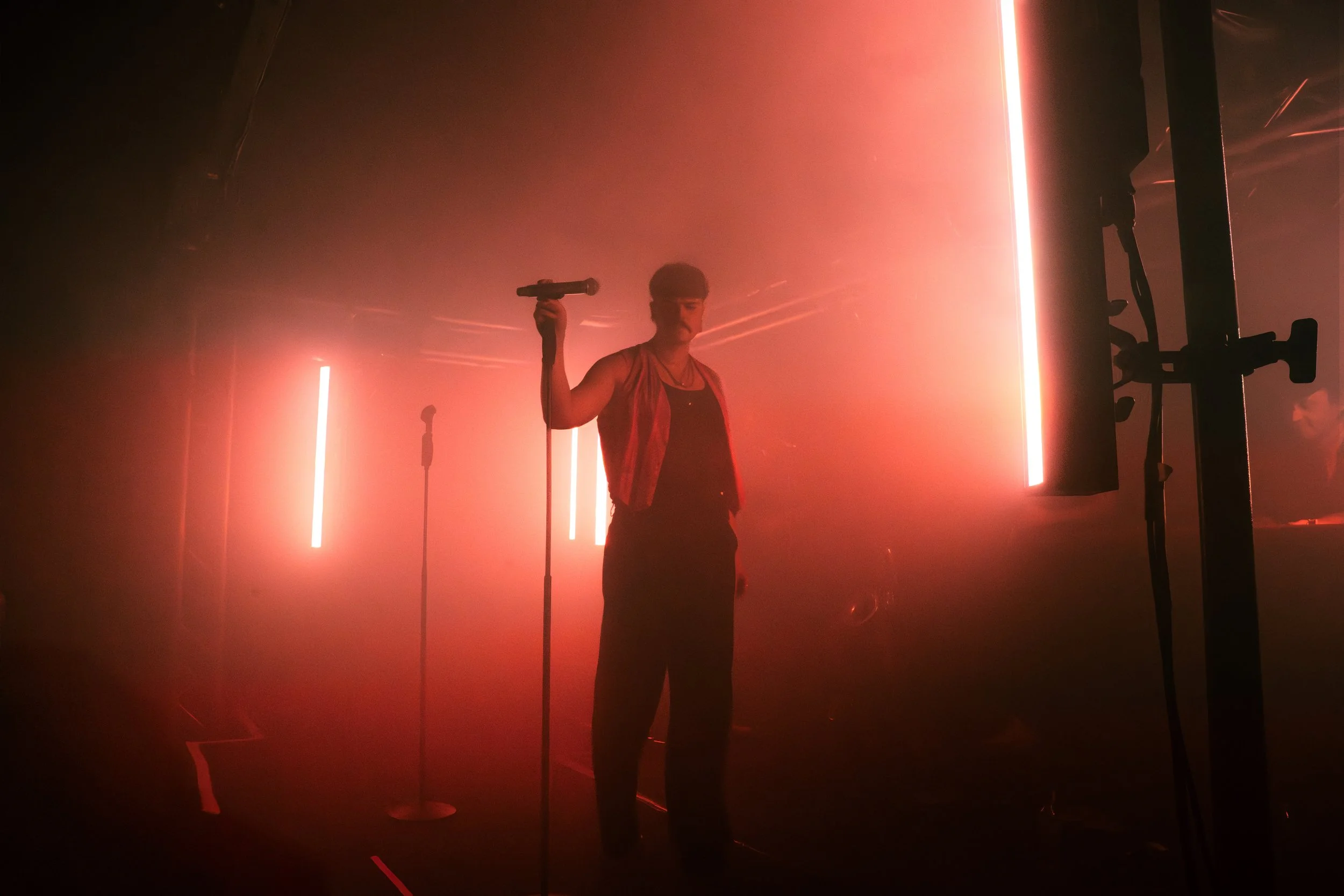
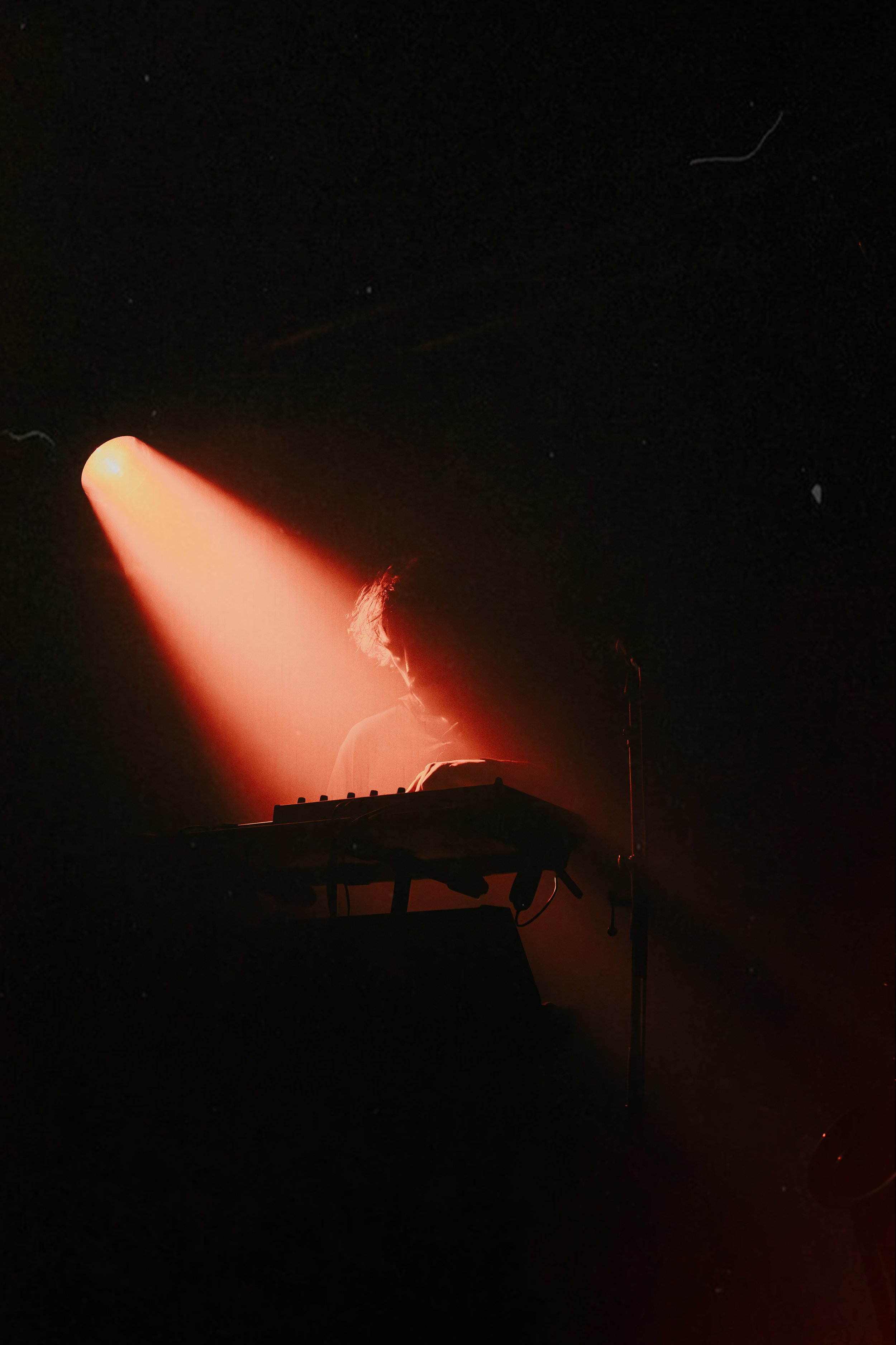
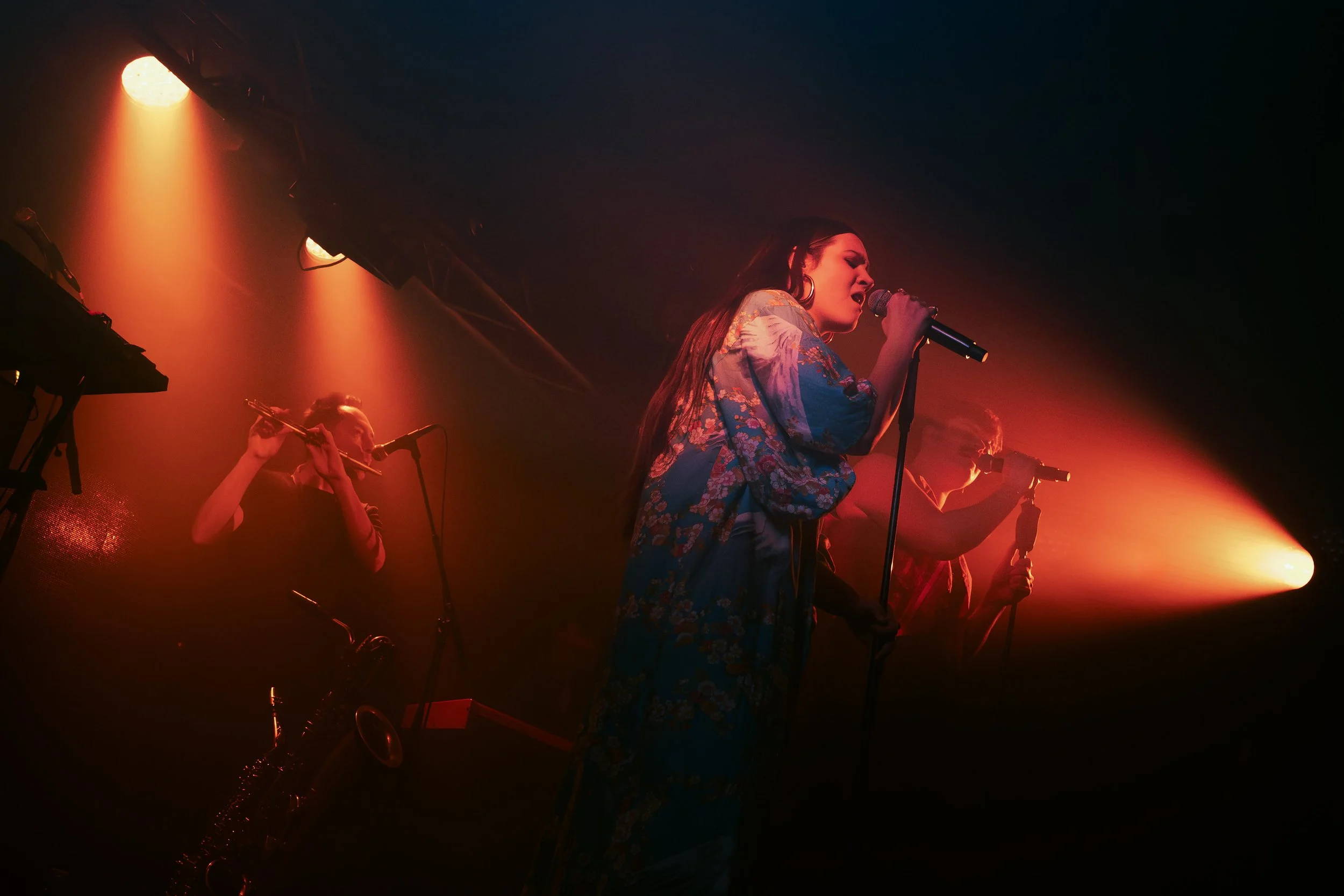
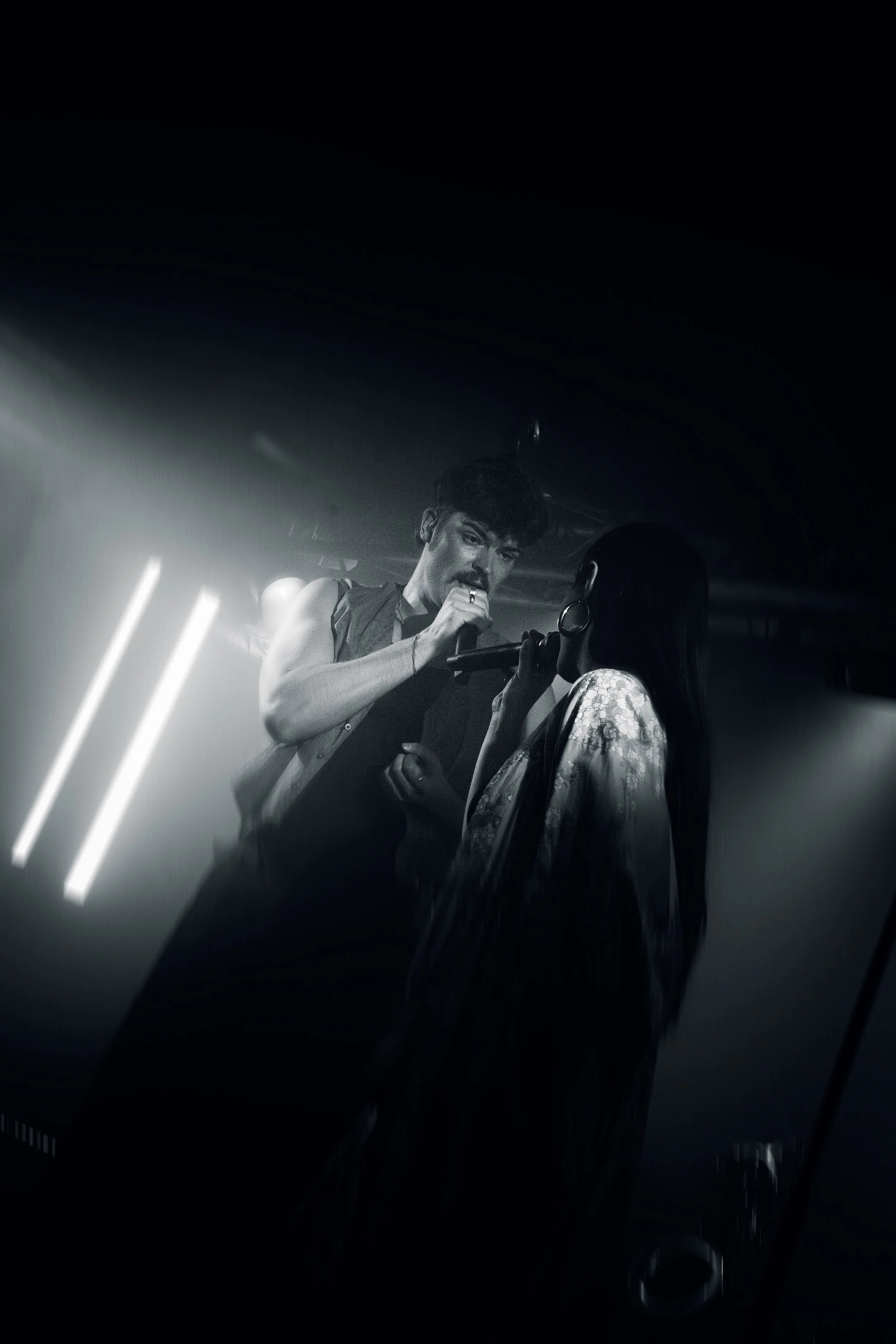
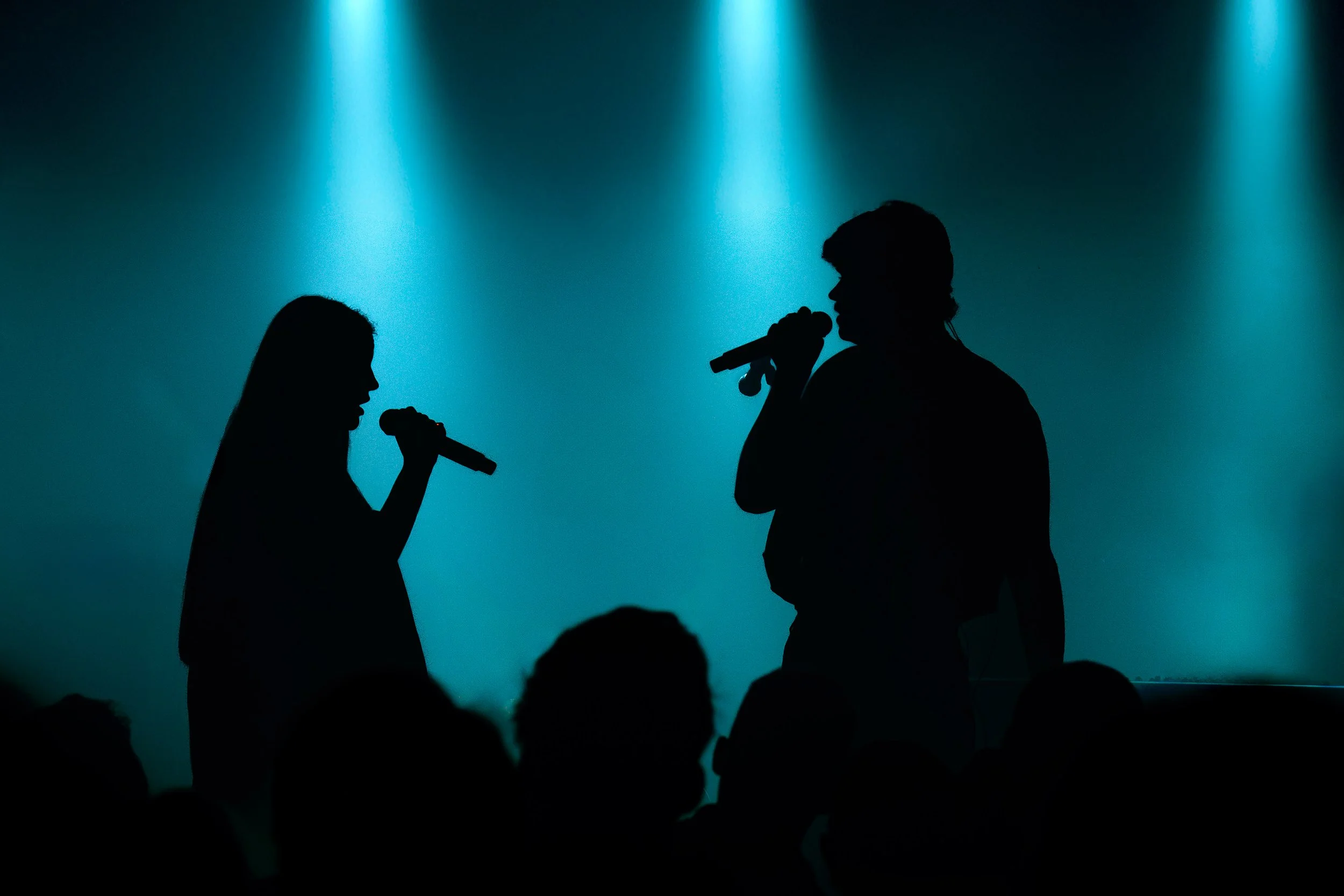
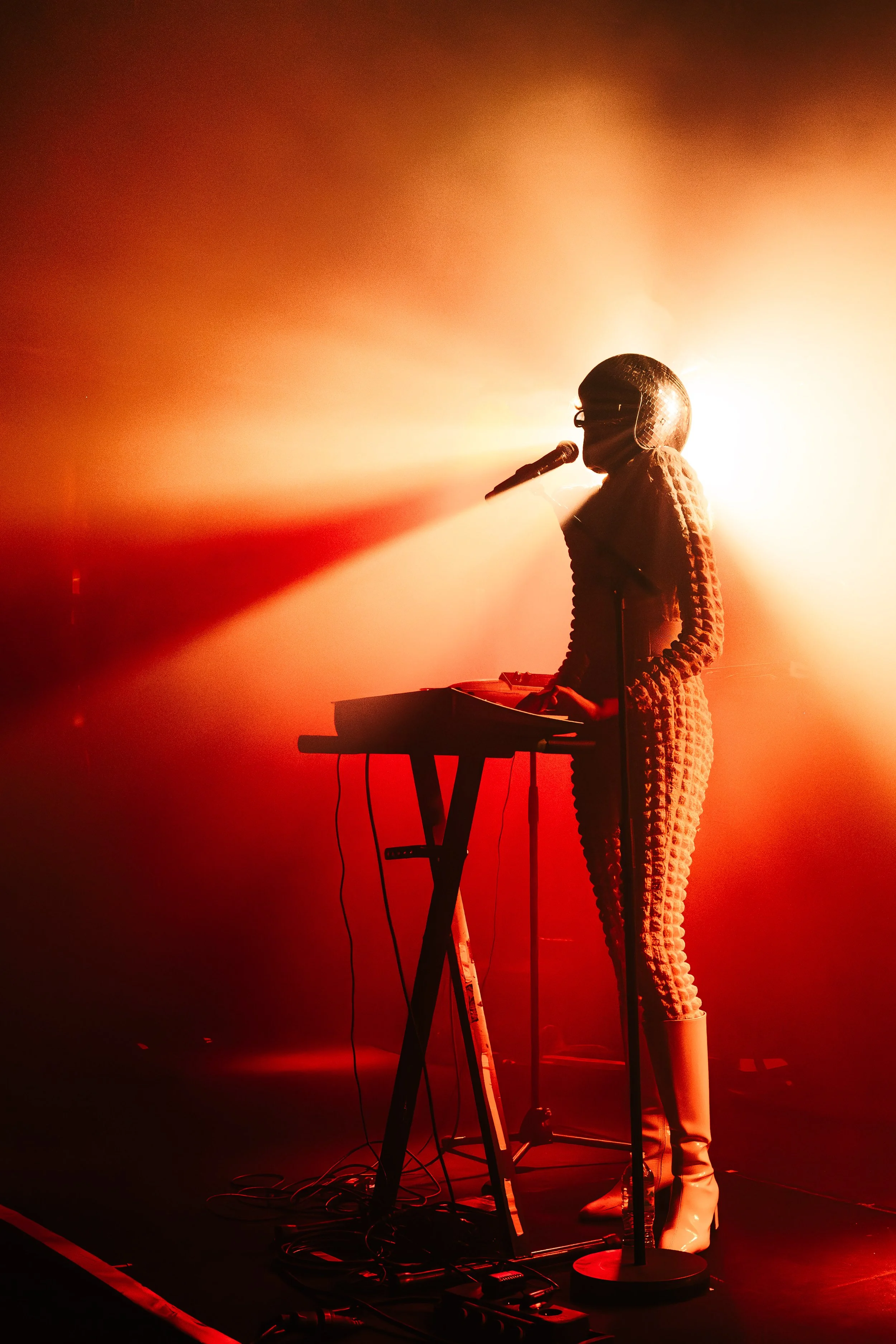
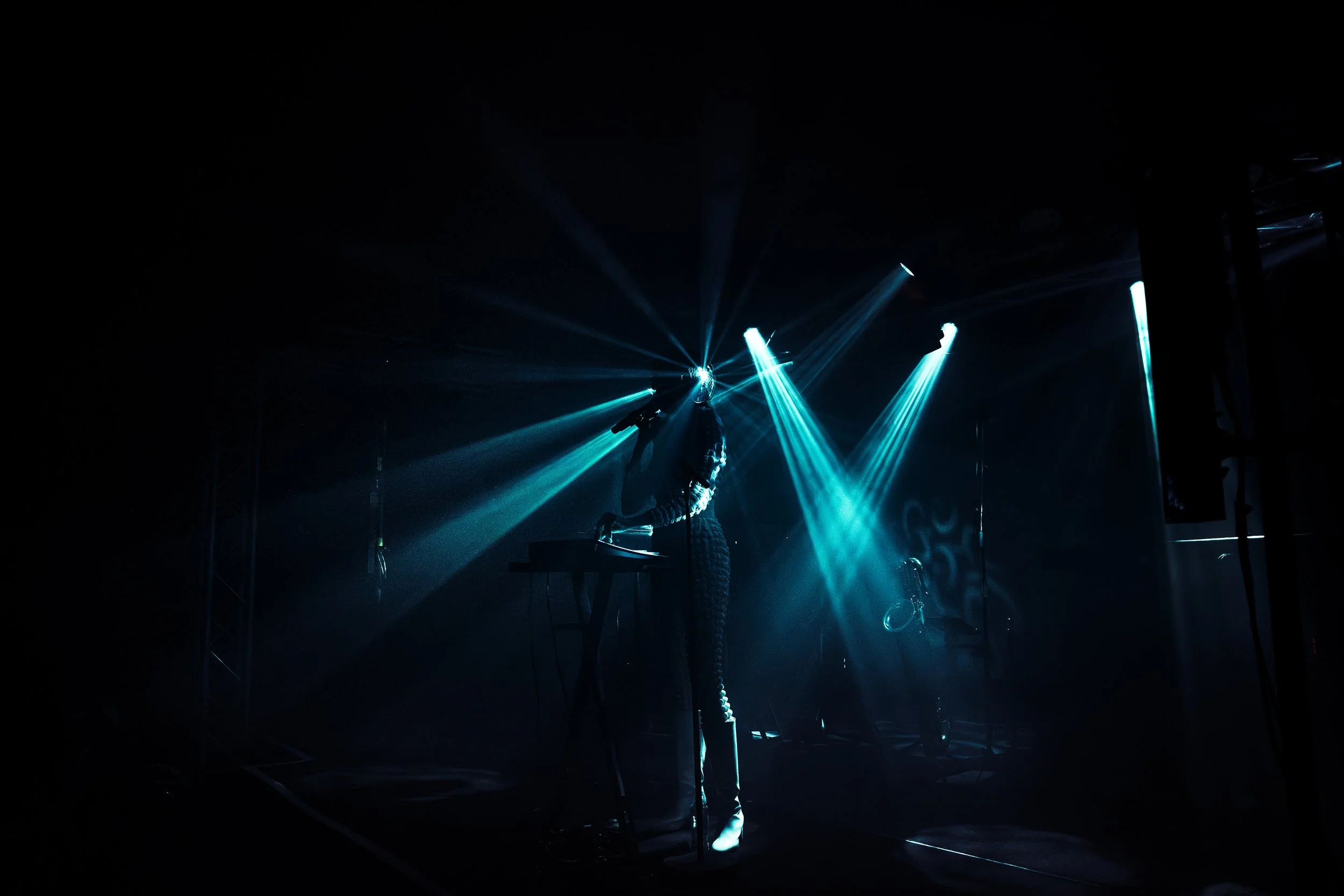
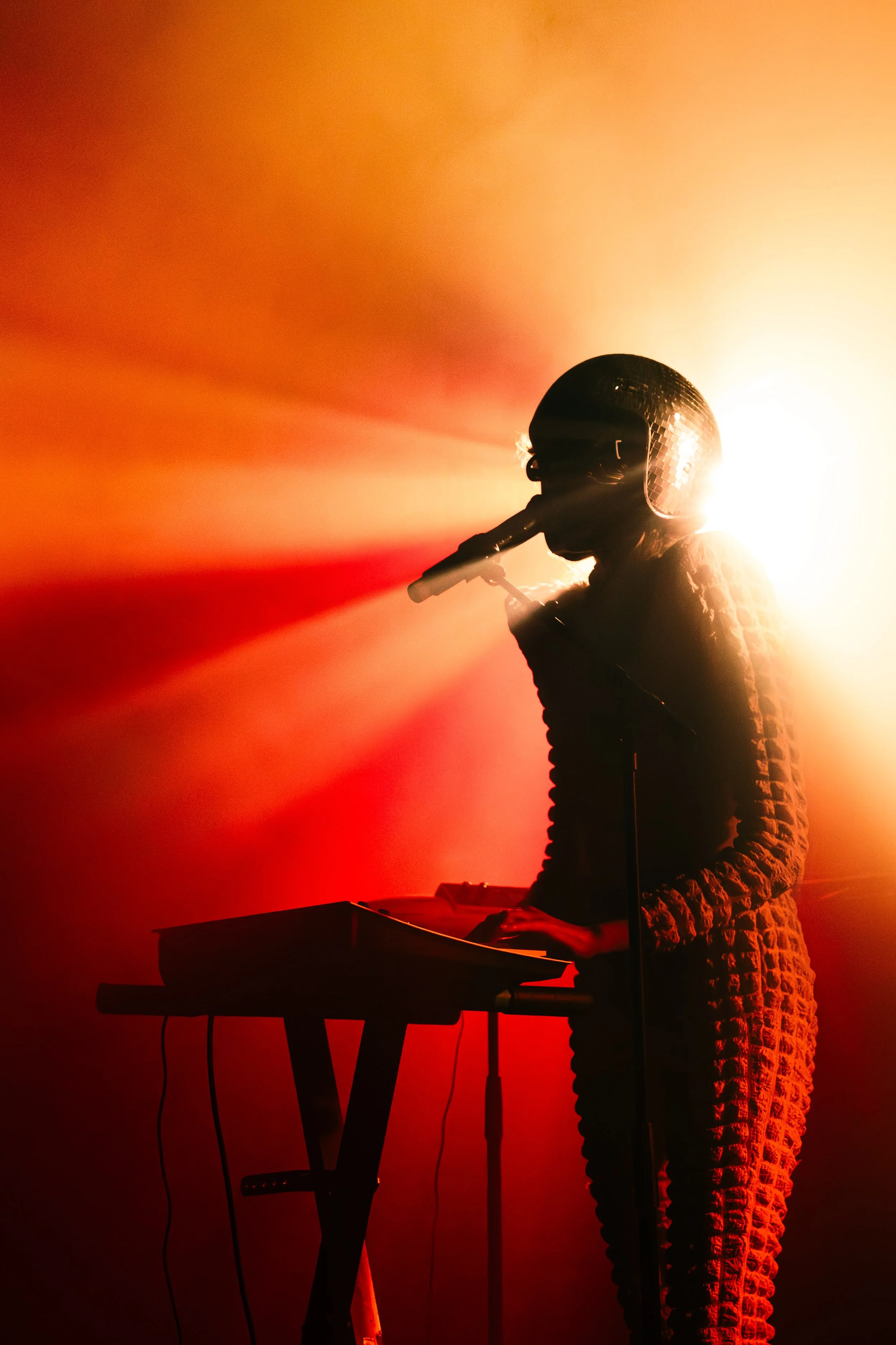
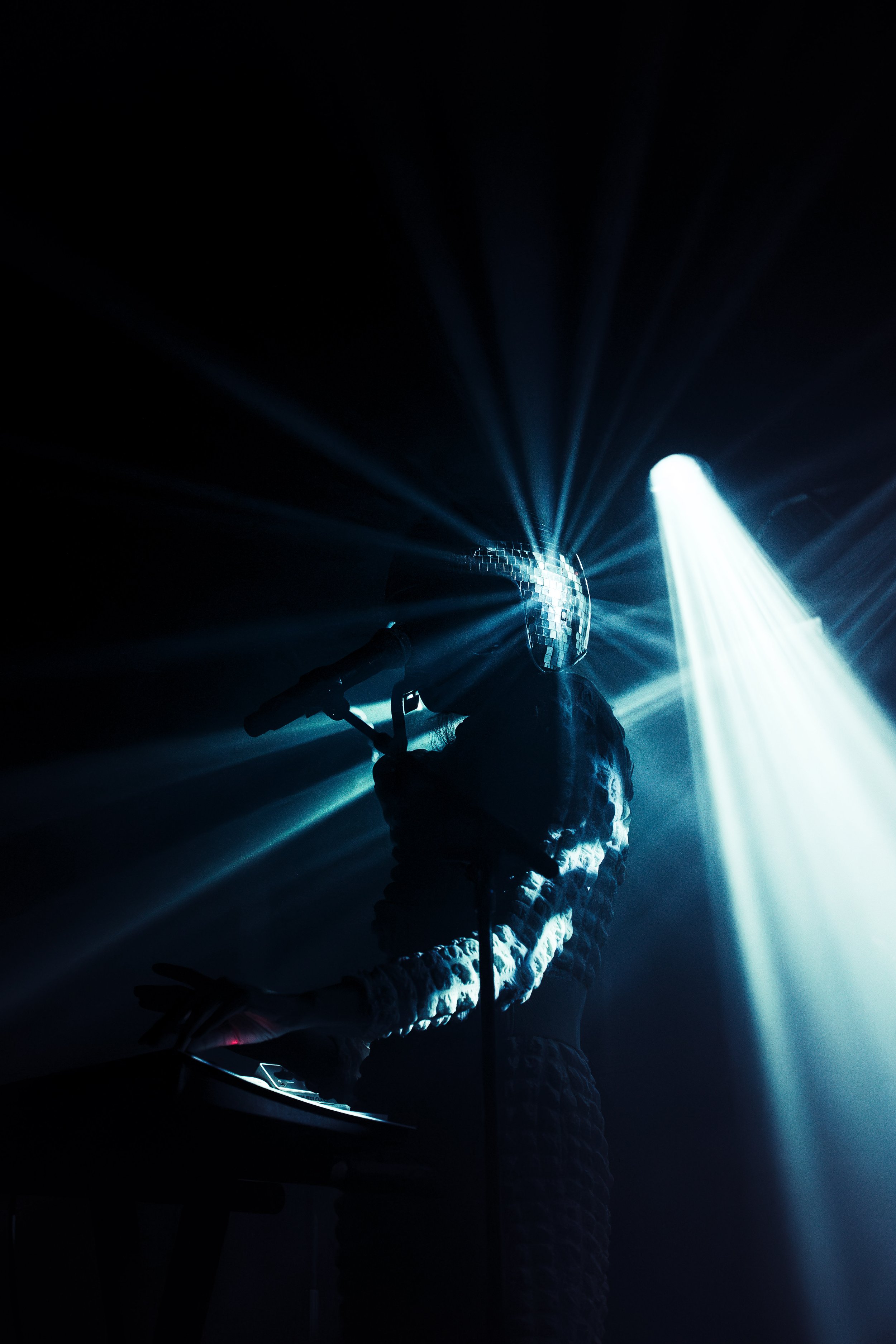
During SHOUSE’s European tour in early 2026, Jonathan Rikner created a rich and dynamic stage environment where lighting design and live-generated visuals merged seamlessly to support the duo’s energetic live performances.
The tour followed the release of SHOUSE’s debut album Collective Ecstasy and continued the international momentum built by their global hit “Love Tonight,” which became a major dance anthem and helped propel the Melbourne-based duo onto the worldwide electronic music stage. The project, led by Jack Madin and Ed Service, centers around themes of community, shared musical experiences, and collective participation—ideas that strongly influence the atmosphere of their live shows.
As part of the Collective Ecstasy Live! tour, SHOUSE performed across several European cities including Copenhagen, London, Cologne, Berlin, Hamburg, and Zurich, bringing their choir-inspired dance music and communal stage energy to club and theater venues throughout the region.
For this tour, Rikner developed a lighting design that was both rhythmic and emotionally responsive. Sharp contrast movements and bold, high-energy hits were balanced with warm, atmospheric background tones that evolved with the dynamics of each track. The design emphasized the duo’s signature builds and euphoric chorus moments while also creating space for the more intimate and gradual musical passages that characterize SHOUSE’s songwriting.
Alongside the lighting, Rikner ran live generative visuals that reacted in real time to audio data and performance cues. These visuals produced organic patterns and evolving textures that shifted throughout the show, ensuring that every performance felt unique rather than pre-rendered or repeated.
The result was a cohesive visual language where light and imagery acted as an expressive extension of the music itself—supporting SHOUSE’s ethos of collective energy, movement, and connection between the stage and the audience.
Technical Implementation
From a technical perspective, the show was built around a tightly integrated control workflow combining grandma3 and TouchDesigner. Rikner programmed the lighting system in GrandMA3, using time-based structures and busking techniques to maintain flexibility during the live performance.
TouchDesigner was used to generate real-time visuals driven by audio analysis and control data. Through network-based communication between the systems—using protocols such as OSC and Art-Net—the lighting console and visual engine could influence one another, allowing parameters like color palettes, movement intensity, and visual density to respond dynamically to the music.
This hybrid workflow enabled a responsive performance environment where lighting and visuals behaved as a unified system, capable of adapting to different venues, crowd energy levels, and improvisational moments throughout the tour.